


DIY Oil Change Guide for Beginners

Selected theme: DIY Oil Change Guide for Beginners. Ready to roll up your sleeves? This friendly guide turns your very first oil change into a safe, confidence-boosting win—without stress, guesswork, or mess.

Why Oil Changes Matter

Engine oil lubricates moving parts, reduces heat, suspends contaminants, and protects seals. Fresh oil prevents wear and keeps performance consistent, which means quieter starts, smoother acceleration, and a healthier engine life overall.

Why Oil Changes Matter

A first-time DIY oil change often reveals small issues early—like a seeping drain plug washer or a cracked filter gasket. Spotting these during routine maintenance builds confidence and prevents bigger, more expensive headaches later.

Safety and Setup for First-Timers

Work on level ground, set the parking brake, and chock wheels. Use quality ramps or jack stands—never rely on a jack alone. Stability helps you move confidently under the car without sudden shifts or dangerous surprises.

Safety and Setup for First-Timers

Warm oil drains faster, but hot oil can burn. Let the engine cool slightly, wear gloves, and use safety glasses. A folded cardboard mat and absorbent pads keep spills contained and cleanup quick, which beginners really appreciate.

Tools and Materials You’ll Need

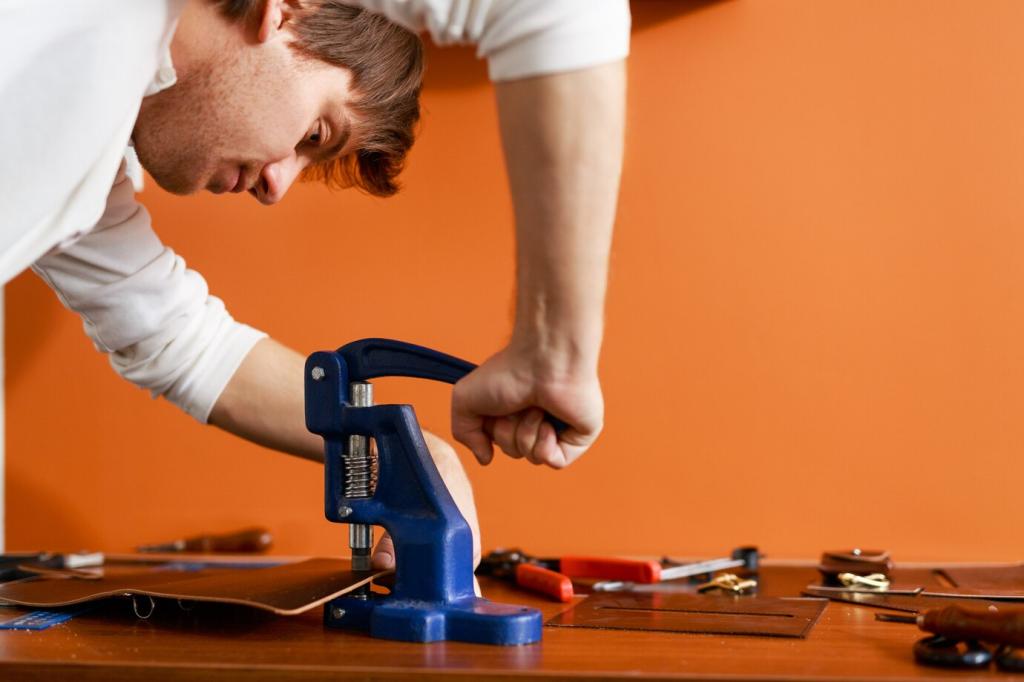
You’ll want a socket wrench, correct-size socket, oil filter wrench, drain pan, funnel, shop towels, and a new crush washer if your car uses one. A torque wrench helps avoid overtightening, which can damage threads or crush gaskets.

Tools and Materials You’ll Need

Match oil viscosity and specification to your manual—5W-30, 0W-20, or as required. Select a quality filter compatible with your vehicle. Cross-reference part numbers, and keep the old box handy to confirm you bought the correct piece.

Tools and Materials You’ll Need

Absorbent pads, a dedicated funnel, and sealable containers make your space tidy and safe. Label a jug for used oil, and keep nitrile gloves nearby. These small habits make first DIY attempts feel professional and environmentally responsible.

Troubleshooting Beginner Mistakes

Stuck or Rounded Drain Plug

Use the correct socket and steady pressure. If rounded, a bolt extractor socket can save the day. Replace damaged plugs and washers. Avoid impact wrenches; controlled, deliberate force prevents sudden slips and unnecessary scrapes under the car.

Double Gasket Leaks

If you see a sudden drip at the filter, shut off the engine and check for a stuck old gasket. Remove the extra seal, clean the surface, reinstall correctly, and wipe everything dry before restarting to confirm the fix.

Overfill, Underfill, or Warning Lights

If the dipstick reads high, carefully drain a little oil. If low, top off gradually. An oil pressure light demands immediate attention—shut the engine down and verify level, filter seal, and drain plug tightness before driving anywhere.

Responsible Disposal and Sustainability

01

Capture and Store Safely

Pour used oil into a clean, sealable container—ideally the original jug—and label it. Keep it away from heat, pets, and children. Wipe tools before storing so slippery residue doesn’t migrate to floors, door handles, or steering wheels.
02

Recycle Oil and Filters

Most auto parts stores and municipal sites accept used oil and drained filters. A properly drained filter can often be recycled as scrap metal. Call ahead, bring a rag, and thank the staff—courtesy goes a long way on busy days.
03

Why It Matters

Even small amounts of used oil can harm soil and water. Recycling conserves resources and prevents contamination. Share your responsible DIY routine in the comments to encourage other beginners to adopt clean, mindful maintenance habits at home.

Confidence, Community, and Your Next Change

A reader wrote that their first oil change took an unhurried Saturday morning, a friend’s borrowed ramps, and two coffees. The moment the dipstick showed a perfect level felt like a small, practical victory that boosted weekend momentum.

Confidence, Community, and Your Next Change

Post a photo of your setup, the tools you found most helpful, or the trick that saved you time. Your perspective helps other beginners overcome nerves and creates a supportive, hands-on community around simple car care.
Tyllyorganics
Privacy Overview

This website uses cookies so that we can provide you with the best user experience possible. Cookie information is stored in your browser and performs functions such as recognising you when you return to our website and helping our team to understand which sections of the website you find most interesting and useful.